Why is the plaque of Shaumyan's comrade, an executioner of the Azerbaijani people, still displayed in Baku?
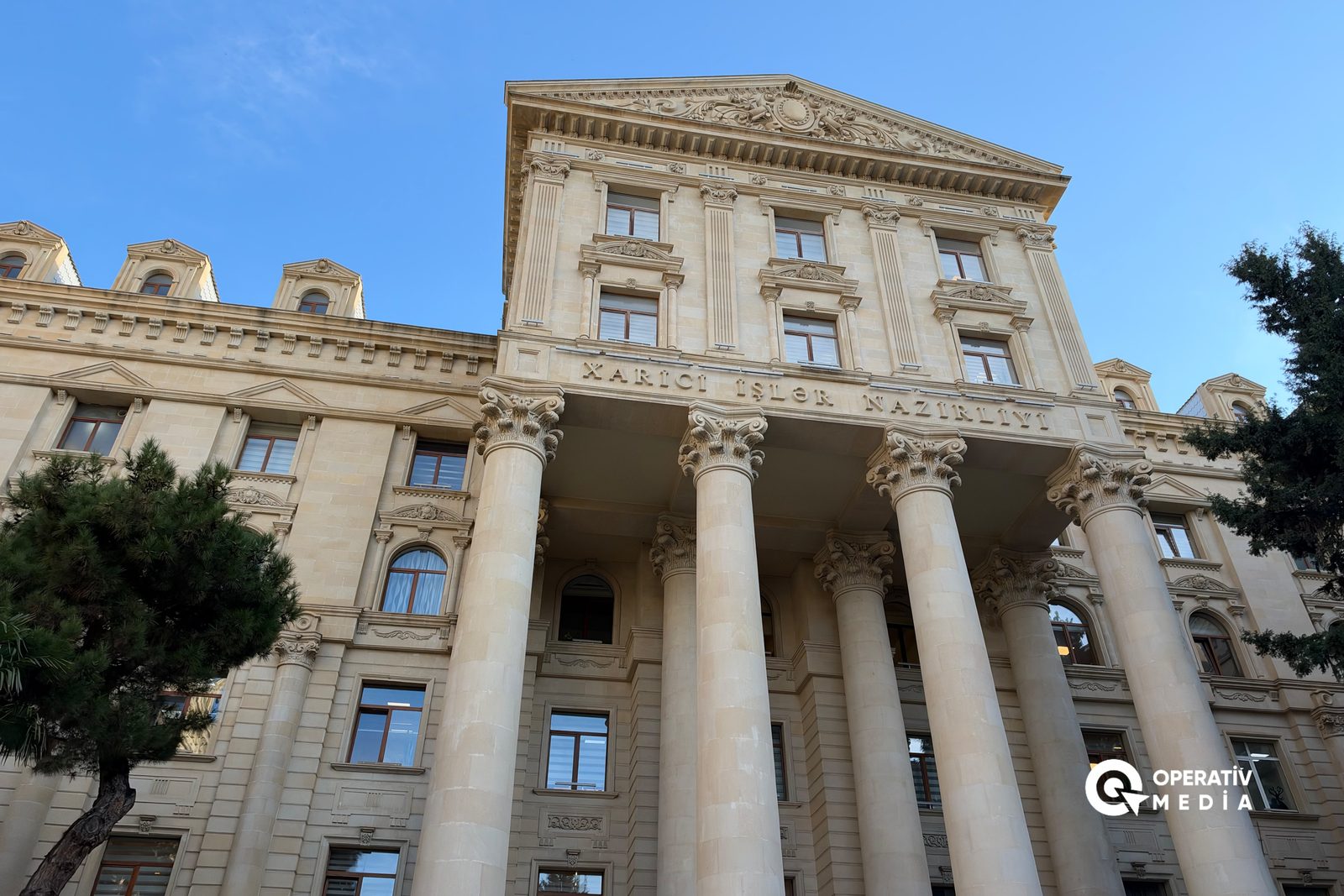
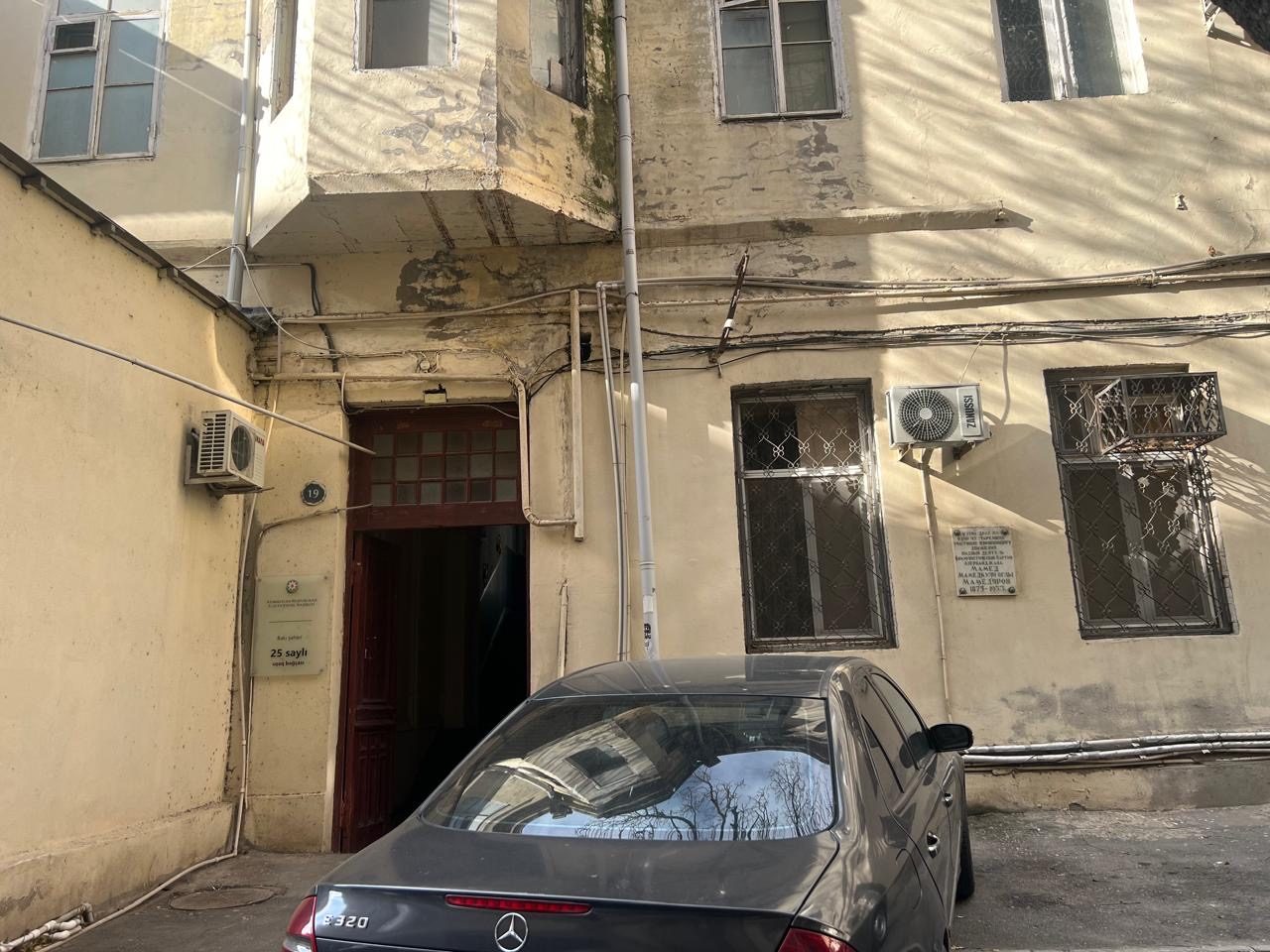
A historical absurdity is unfolding on a wall right next to a kindergarten on one of the central streets of Baku's Sabail district.
Operativ Media reports that a memorial plaque for Mammad Mammadyarov—an active participant in the March 1918 genocide and a member of Stepan Shaumyan's bloody gang—hangs on a building that young children walk past every day.
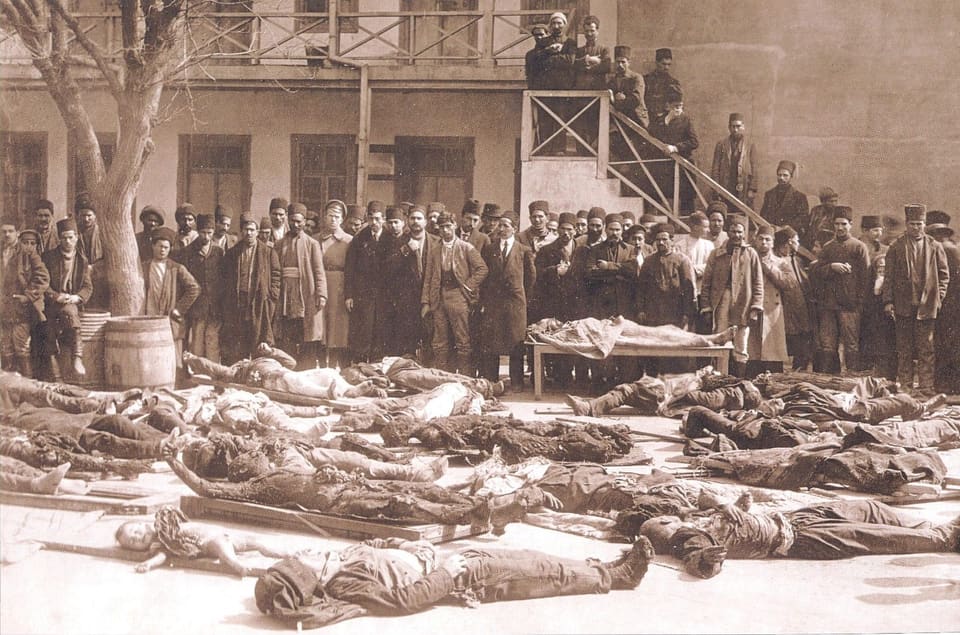
In 1998, a decree signed by National Leader Heydar Aliyev officially recognized the events of March 31 as a genocide committed against the Azerbaijani people. How is it, then, that the name of one of the perpetrators of this genocide remains immortalized in the center of the capital?
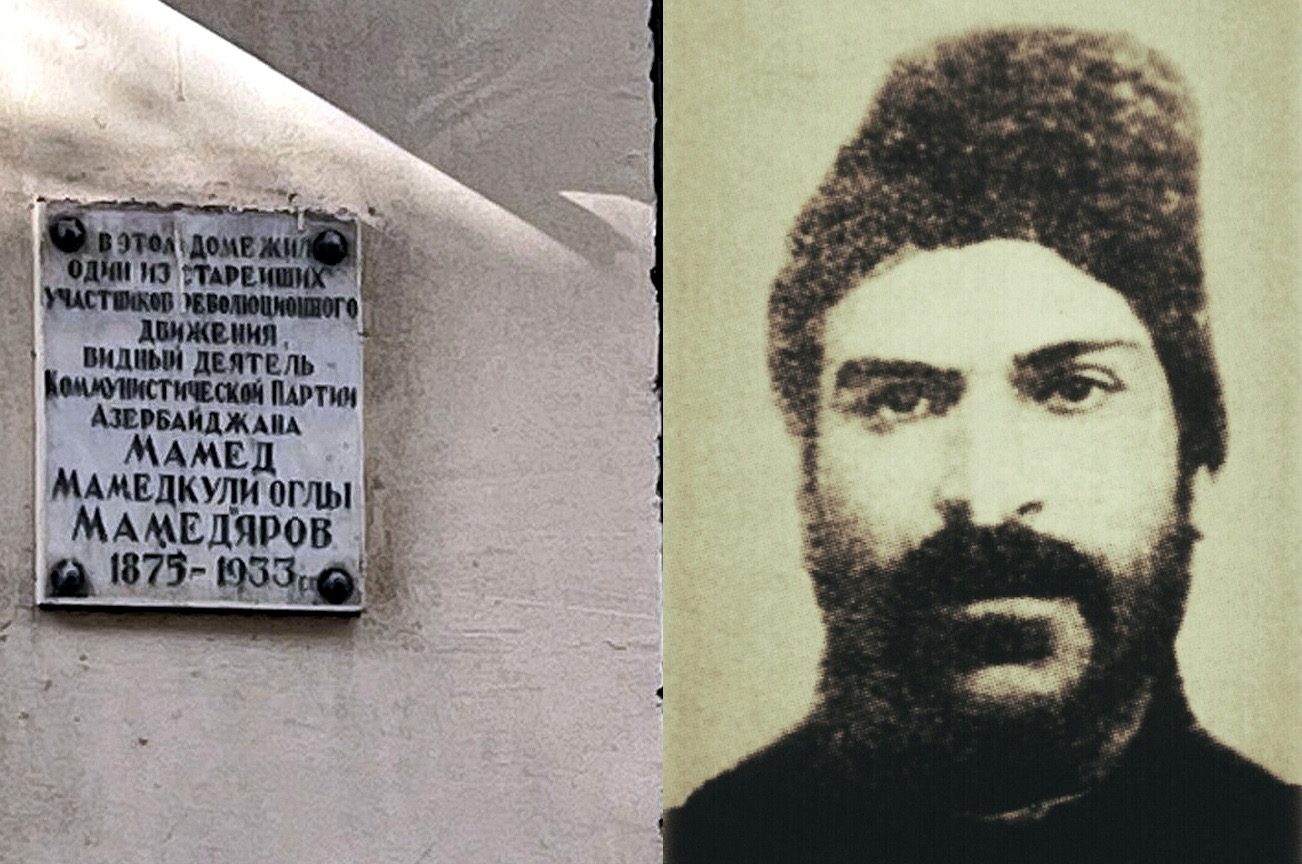
A "hero" who opened fire on his own people
Born in Baku in 1875, Mammadyarov became a deputy of the Baku Soviet in 1917. Joining the gang of Armenian Dashnak-Bolshevik leader Stepan Shaumyan, who seized power in the city on Lenin's orders, Mammadyarov turned his weapons against his own people in March 1918.
There is no need to conceal this—Soviet historiography itself confirms Mammadyarov's bloody actions with facts. The 1958 book "Active Fighters for Soviet Power in Azerbaijan" explicitly states:
"In March 1918, when a decisive battle broke out in Baku between the young Soviet government and the Musavatists who had staged an uprising, Mammadyarov took up arms, leading one of the Red Guard detachments, and fought the enemy."
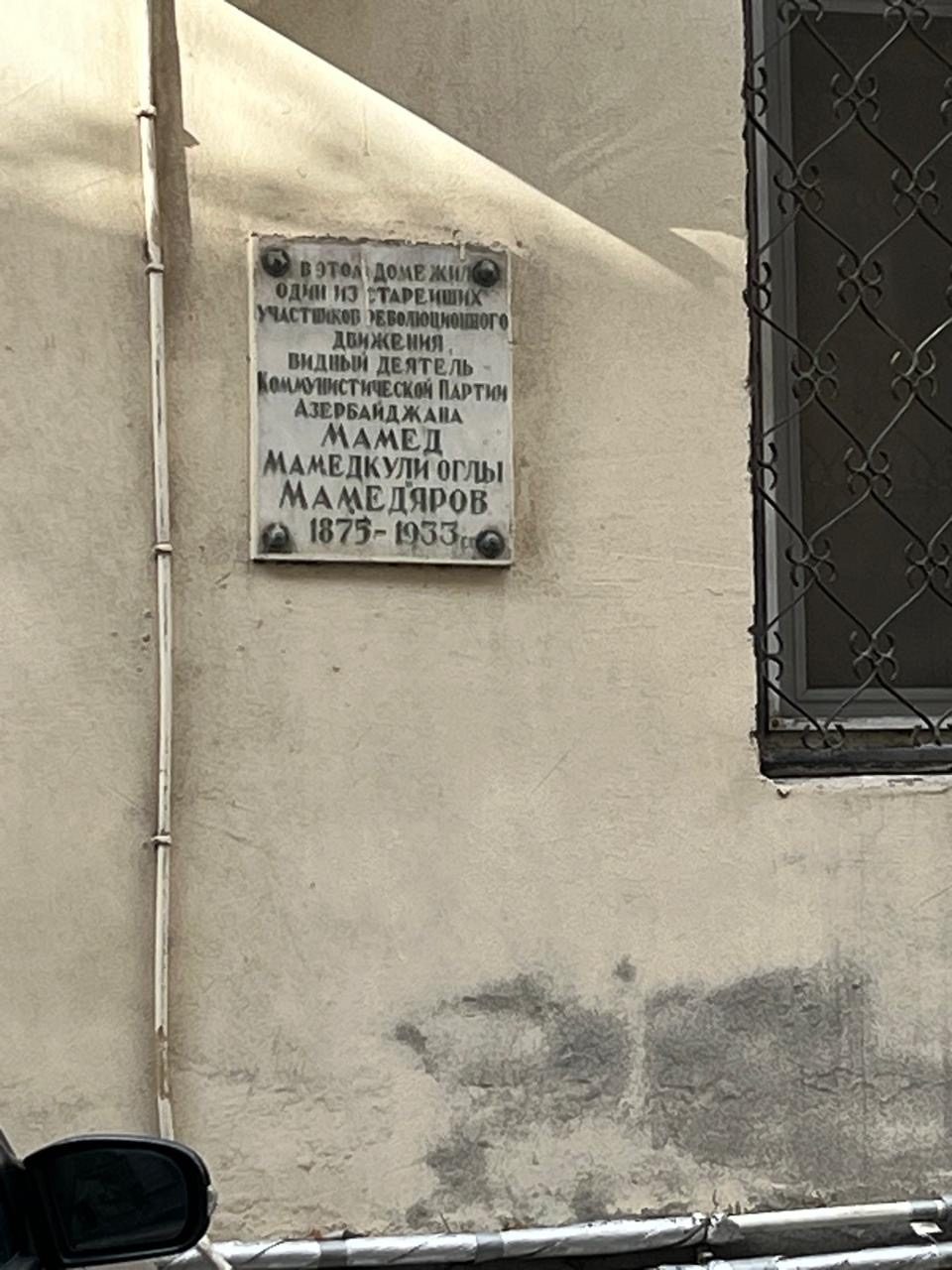
The side labeled as the "enemy" by Soviet sources was the Azerbaijani people, who sought freedom and independence following the collapse of Tsarist Russia.
At the forefront of those who burned down "Ismailiyya"
The book "History of the Communist Party of Azerbaijan," published that same year, notes that Mammadyarov stood in the same ranks as executioners such as Mikoyan, Martikyan, and Korganov:
"In the battles with the Musavatists, the Red Guard detachments of A. I. Mikoyan and M. Mammadyarov particularly distinguished themselves. These detachments attacked the headquarters located in the 'Ismailiyya' building, as well as the Old City (Icherisheher), where the Musavatists were entrenched."
The "Ismailiyya" building—constructed by Haji Zeynalabdin Taghiyev, home to the Benevolent Society, and a center of national awakening—was not targeted by accident. Mammadyarov was at the forefront of those carrying out Shaumyan's threat: "If you want an independent Azerbaijan, we will turn it into ruins."
Fighting against the Turkish army
Mammadyarov admitted his betrayal himself. In his memoirs titled "Bolshevik Will," he proudly wrote about fighting on the Kurdamir front under Korganov's command against the Ottoman Islamic Army of the Caucasus, which had arrived to liberate Baku.
However, the nation's memory did not forget this betrayal. After the Islamic Army of the Caucasus liberated Baku in September 1918, Mammadyarov was arrested and imprisoned first in Baku, then in Ganja. In his memoirs, he admits to being personally punished by Mursel Pasha, one of the liberators of Baku.
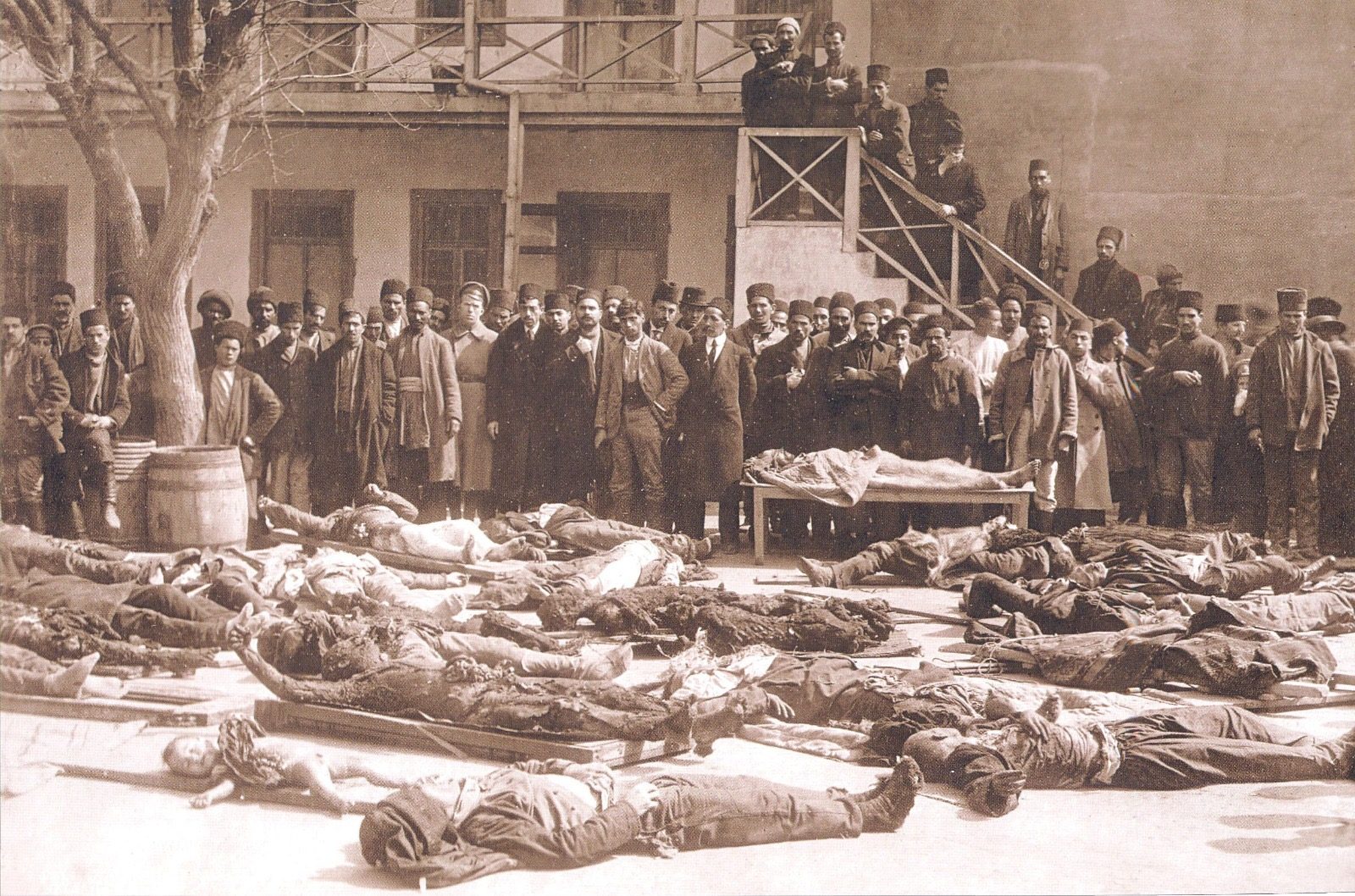
The "reward" for treason and today's question. After managing to escape from Ganja prison, Mammadyarov continued his underground activities and was "rewarded" by the Bolsheviks following the fall of the Azerbaijan Democratic Republic in 1920. He served as the People's Commissar of Social Security of the Azerbaijan SSR from 1922 to 1927.
Today, a sharp and serious question remains:
What is a memorial plaque for a Bolshevik executioner who wreaked havoc on his own people doing in central Baku, just steps from a kindergarten? Displaying "respect" to Shaumyan's comrade-in-arms on a wall passed daily by young children is a direct insult to both historical justice and the memory of our martyrs.