Pakistani minister: Our country faces serious financial constraints
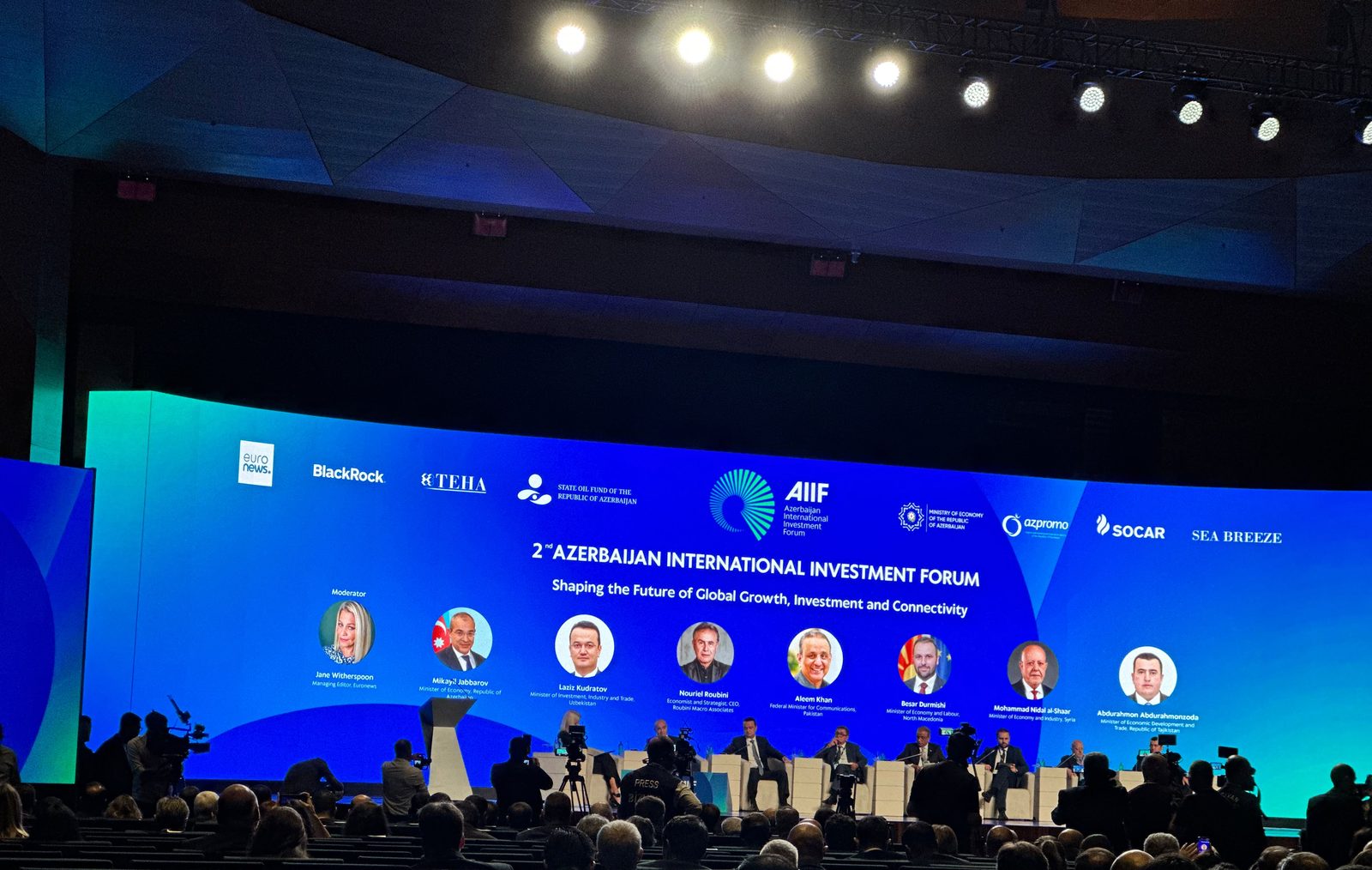
Pakistan is currently facing unprecedented macroeconomic volatility, severe financial constraints, and a sharp increase in energy and transport costs.
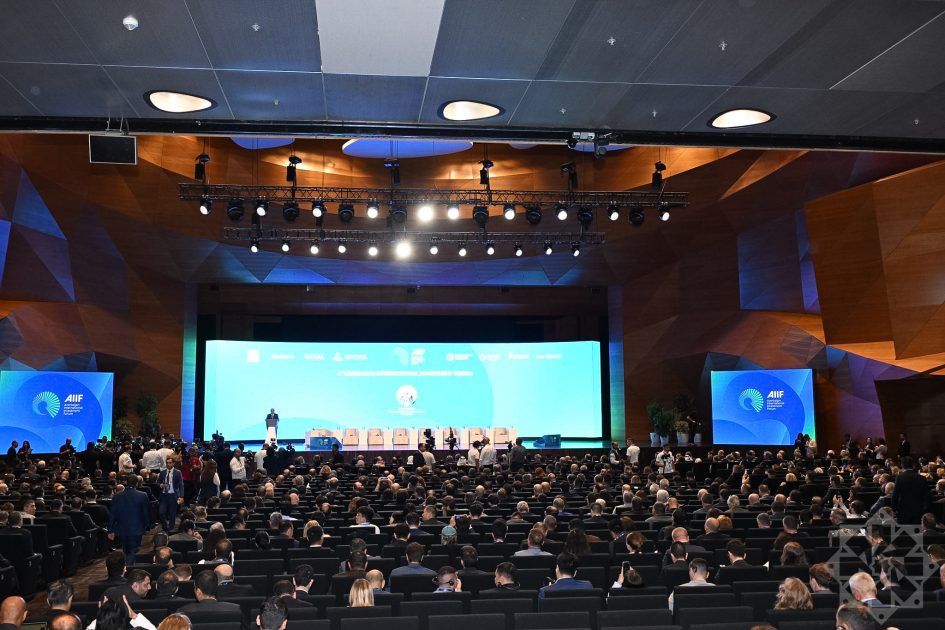
Operativ Media reports that Pakistan's Federal Minister for Communications Aleem Khan said this during his speech at the Second Azerbaijan International Investment Forum.
The minister stated that against the backdrop of rising prices, Pakistan has implemented strict macroeconomic austerity measures, optimized administrative expenses, and enforced fiscal discipline by limiting public spending.
He noted that the country is striving to ensure the sustainability of public finances while protecting key social programs.
According to Aleem Khan, global and regional conflicts are negatively impacting Pakistan's maritime shipping, increasing trade and insurance costs.
The minister said that Pakistan is positioning itself as a transit hub and a safe destination for international trade by leveraging its human capital and favorable geographical location. He emphasized that the Gwadar port plays a crucial role in the uninterrupted operation of global supply chains.
“During the last fiscal year, Pakistan handled more than 52.685 million metric tons of cargo, actively contributing to global trade amid this uncertainty,” Aleem Khan said.
He added that Pakistan is striving to act as a constructive and neutral diplomatic platform for mediation between conflicting parties to reduce tensions and restore regional stability.
Aleem Khan emphasized that sustainable economic development and the expansion of trade opportunities are impossible without regional peace and stability.
According to the minister, Pakistan is expanding cooperation by connecting its maritime infrastructure with regional and global land corridors.
“While Azerbaijan hosts the East-West Middle Corridor, Pakistan's Gwadar seaport creates a crucial North-South maritime connection to global markets,” he noted.
Aleem Khan said that cooperation with South and Central Asian countries opens up new prospects for expanding trade and connectivity, as well as developing economic opportunities and trade flows.