Neolithic Settlement Discovered in Azerbaijan Yields Unique Architecture and Artefacts
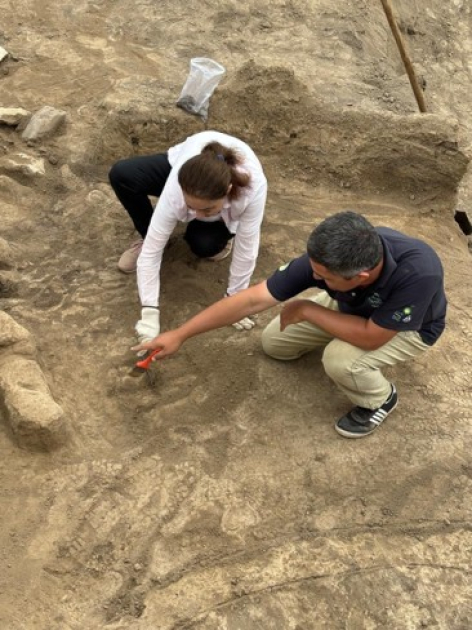
Archaeologists from the Agstafa expedition of the Institute of Archaeology and Anthropology at the Azerbaijan National Academy of Sciences carried out excavations at the Neolithic site of Jinlitepe in the Agstafa district in June and July. The expedition was led by Professor Najaf Museyibli.
The institute told Operativ Media that research took place at the ancient settlement located 2 kilometres north of Yukhari Goycali village and 800 metres west of Eynalli village. The excavations aimed to uncover new scientific evidence regarding the region's Neolithic history and the Shomutepe culture.
The work at Jinlitepe uncovered a rich array of Neolithic material culture samples. Scientists noted that all the finds display characteristics typical of the region's Shomutepe culture.
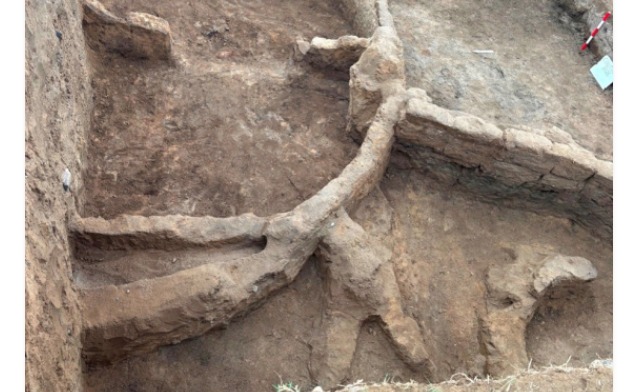
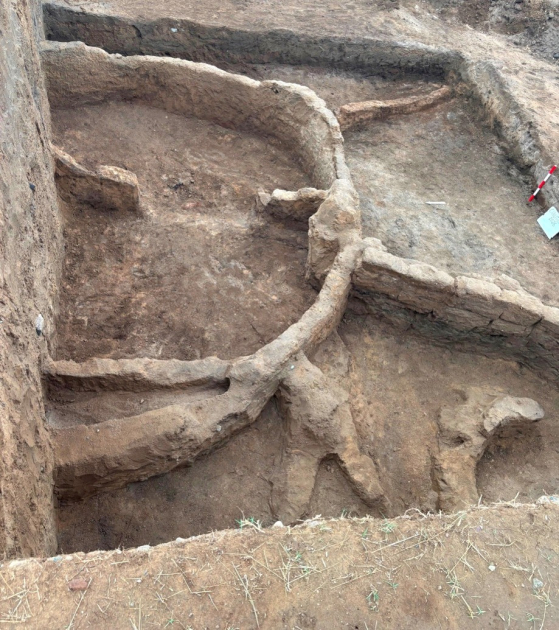
The excavations revealed circular residential houses, utility buildings, and the remains of more than 20 structures. Researchers also identified the remains of a square-shaped mudbrick wall, considered an unusual architectural detail for the Shomutepe culture. The site yielded numerous cutting tools made of obsidian and flint, composite sickle teeth, production waste, as well as river-stone grindstones, axes, mortars, and other implements. Bone awls, polishing tools, and hoes point to the development of agriculture and craftsmanship in the region.
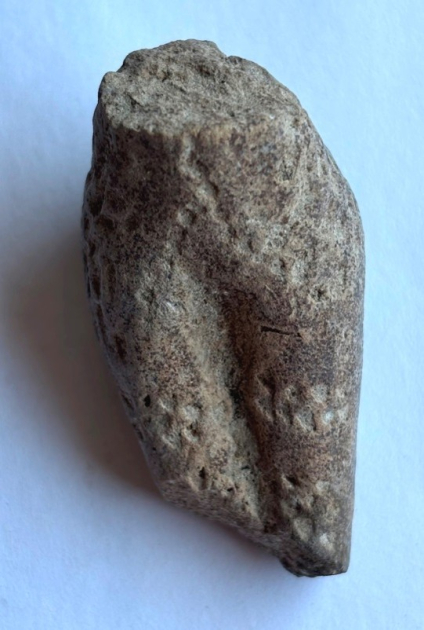
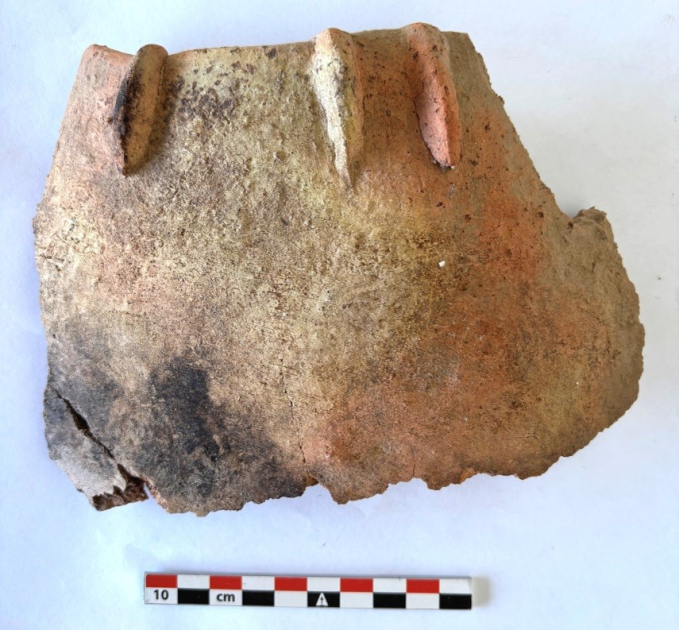
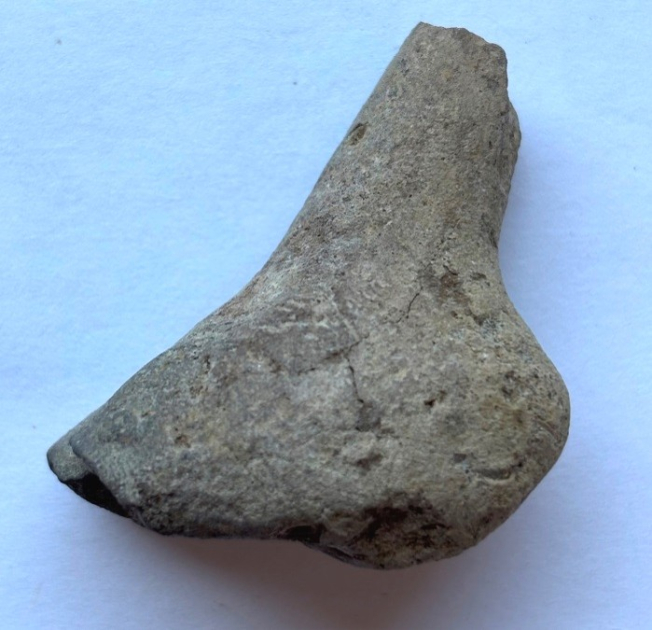
Fragments of ceramic vessels of various shapes were also discovered. Impressions of woven mats on the bottoms of the vessels are viewed as significant evidence confirming that both pottery and weaving existed in the Neolithic era. Among the most notable discoveries were two clay female figurines, which researchers believe were associated with Neolithic cults of female worship.
According to archaeologists, the excavations at Jinlitepe hold major scientific significance for the study of Azerbaijan's Neolithic history, the development of the Shomutepe culture, and the lifestyle, economy, crafts, and religious beliefs of ancient populations.