Ismail Serageldin: Private capital must be used for climate finance
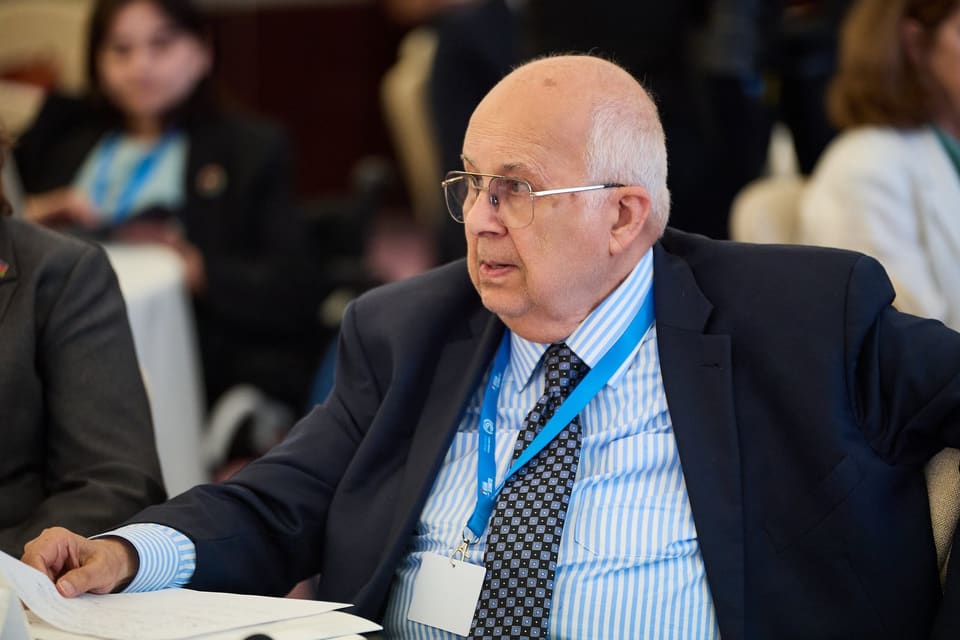
Private capital must be used for climate finance.
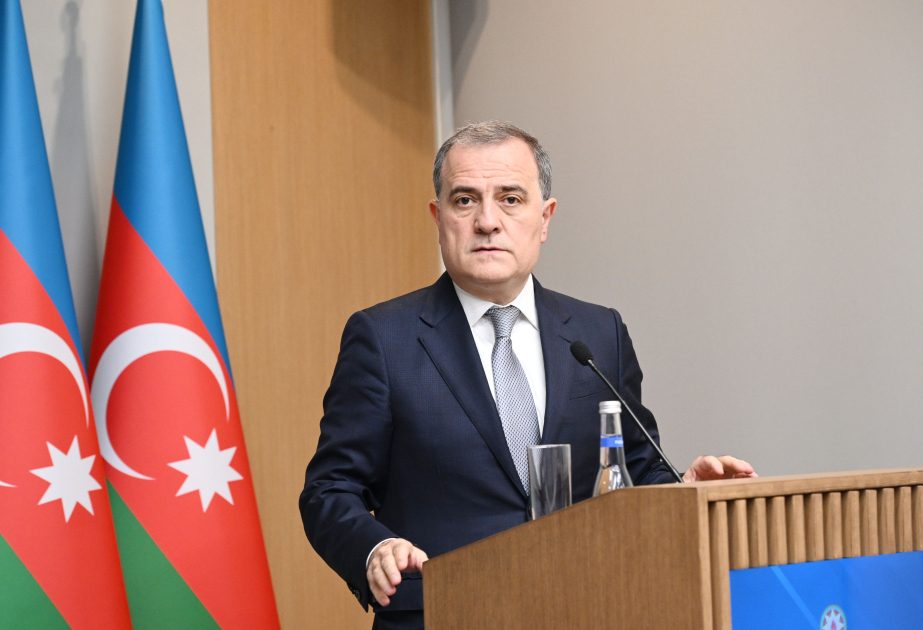
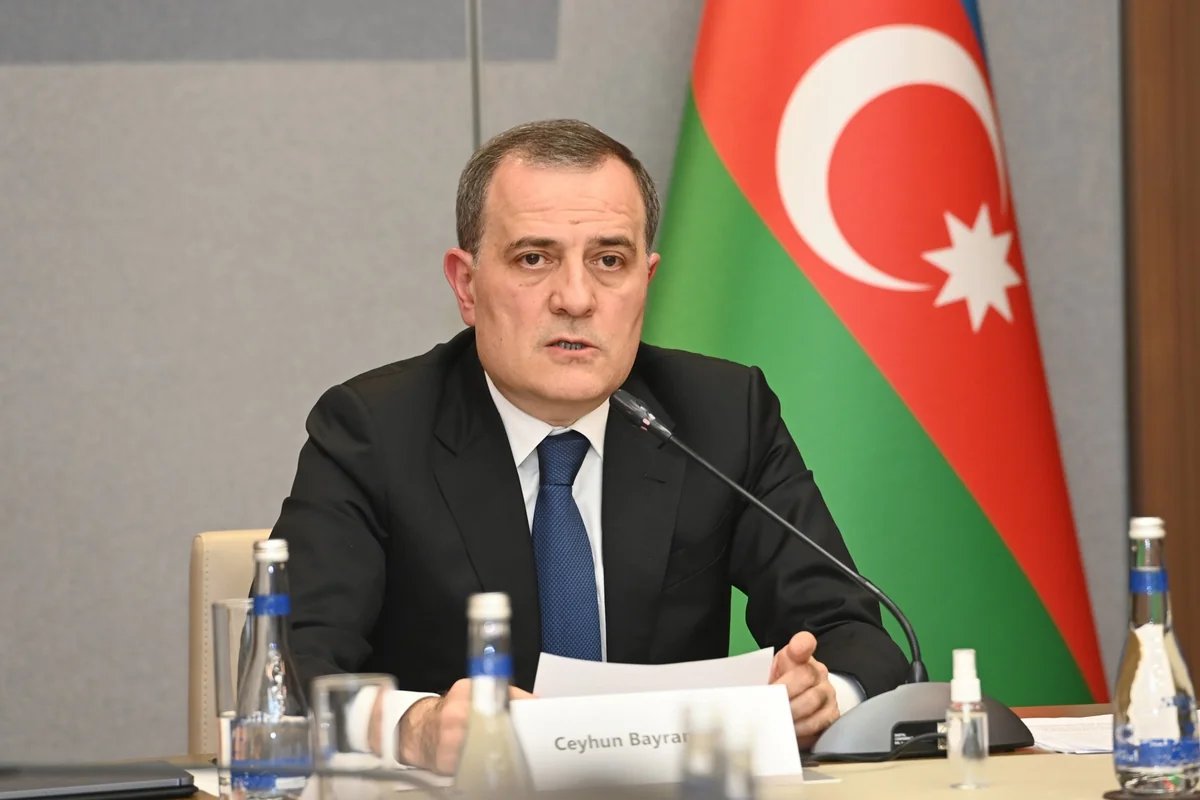
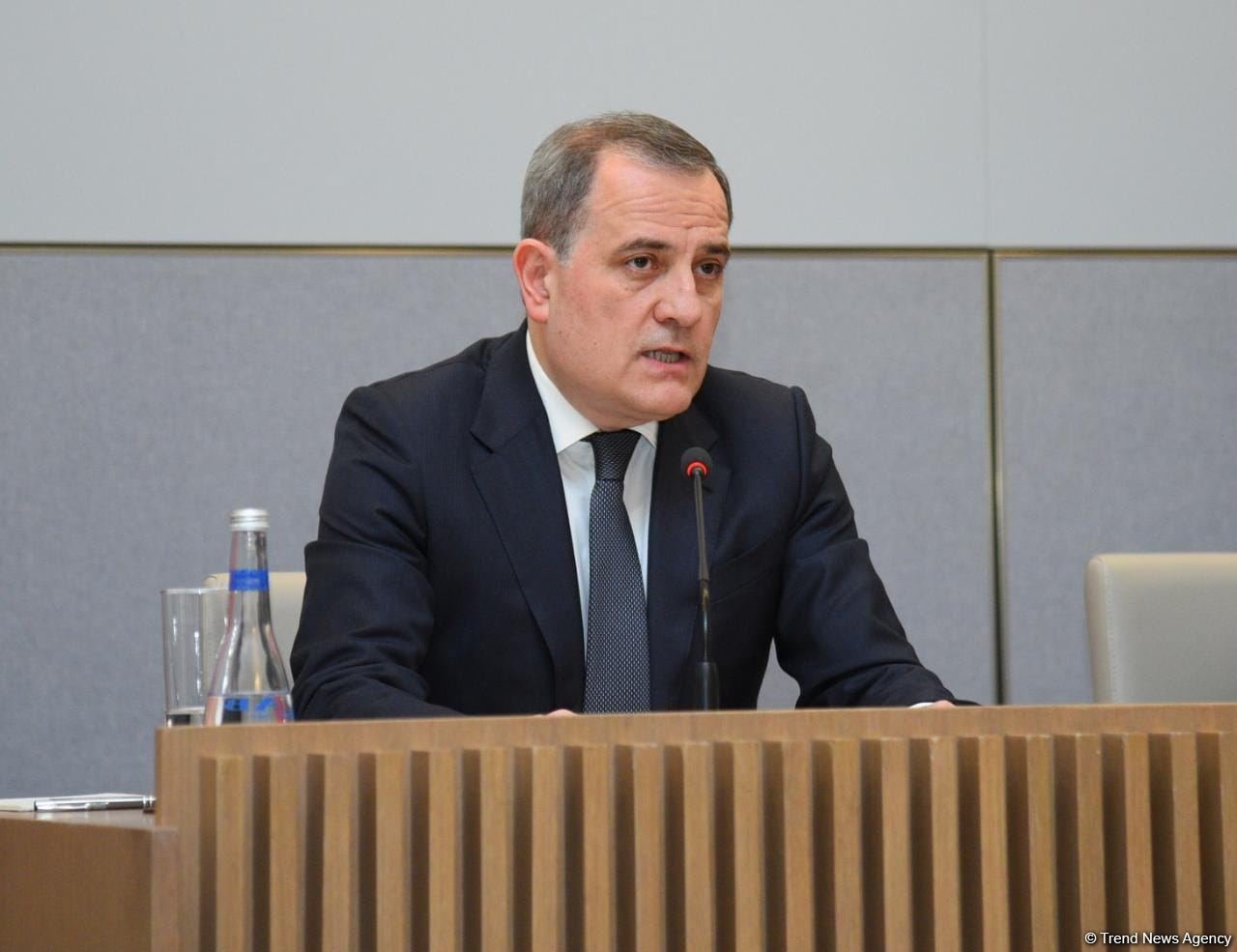
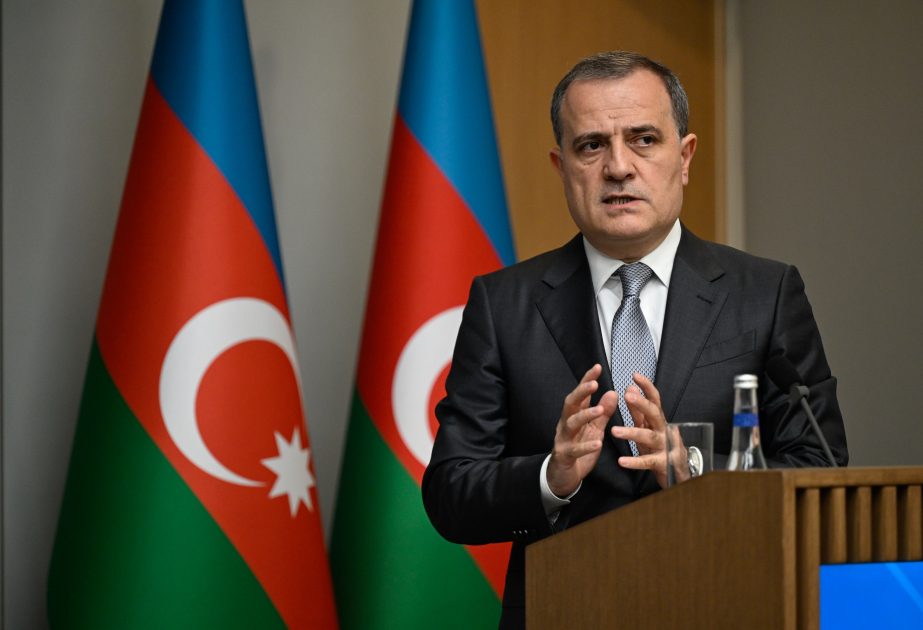
Operativ Media reports that Ismail Serageldin, co-chair of the Nizami Ganjavi International Center and former Vice President of the World Bank, said this during a high-level roundtable held as part of Baku Climate Action Week.
He stated that $3 trillion in funding is required annually to meet climate goals. According to him, the main issue is not a lack of capital, but directing existing funds toward climate objectives.
“In 2026, for the first time, the volume of privately managed assets exceeded $500 trillion. By directing just a fraction of this capital toward climate goals, it is possible to reach the annual target of $3 trillion,” Serageldin said.
He noted that the lack of prepared projects for financing in developing countries is one of the main challenges.
“If I give someone $1 billion and tell them to go to Niger and increase climate resilience, what will they do? Projects have not been identified, prepared, or assessed. International financial institutions, multilateral banks, and UN agencies can assist these countries in project preparation,” he emphasized.
Serageldin stated that institutional changes are also needed to resolve the climate finance issue. According to him, the annual $3 trillion is equivalent to about one-tenth of global savings, and these funds can be directed toward transforming economies, especially in developing countries.
The speaker also spoke about the opportunities that technologies create in the fight against climate change.
“We are on the threshold of a new era. We can decode the genome, map space, and use artificial intelligence. These are no longer just tools. They can amplify both our capabilities and our mistakes,” he said.
He noted that new technologies can help develop drought- and salt-resistant crops, strengthen food security, and manage water resources more efficiently.
“Whether we will shape the future is not the question. We are already shaping it. But we must do so with responsibility and foresight. Every innovation is also an ethical choice,” Serageldin emphasized.
He stated that emission reduction, adaptation, and resilience are the key directions in climate policy.
According to Serageldin, the implementation of climate targets set at the global level must be carried out at the national and regional levels.
“General rules and targets can be set at the global level. However, their implementation must take place at the level of countries and regions,” he noted.
The speaker also stressed the importance of countries strengthening regional cooperation to solve common problems. He stated that nations can act jointly on shared river basins and other regional issues without waiting for global decisions.
“We bear a great responsibility for the future of our planet. We are a transition generation. As we pass the baton to the youth, we must also bequeath them the institutions needed to build a better future. We must be partners with young people in this process,” Ismail Serageldin concluded.